Those who think they have a certain type of phobia have been encouraged to take a simple test.
While it’s quite common to have a phobia of things like heights or spiders, there are many phobias out there that don’t usually come to mind.
This particular phobia only dawned on researchers in 2013, but now an estimated 10 percent of people in the world experience it, though those who first identified the condition blame the internet and the power of social media for fueling it even further to the public.
Researchers at the University of Essex found that people were more likely to develop phobias if they heard about the disease online, or perhaps saw it in their sweet treats.
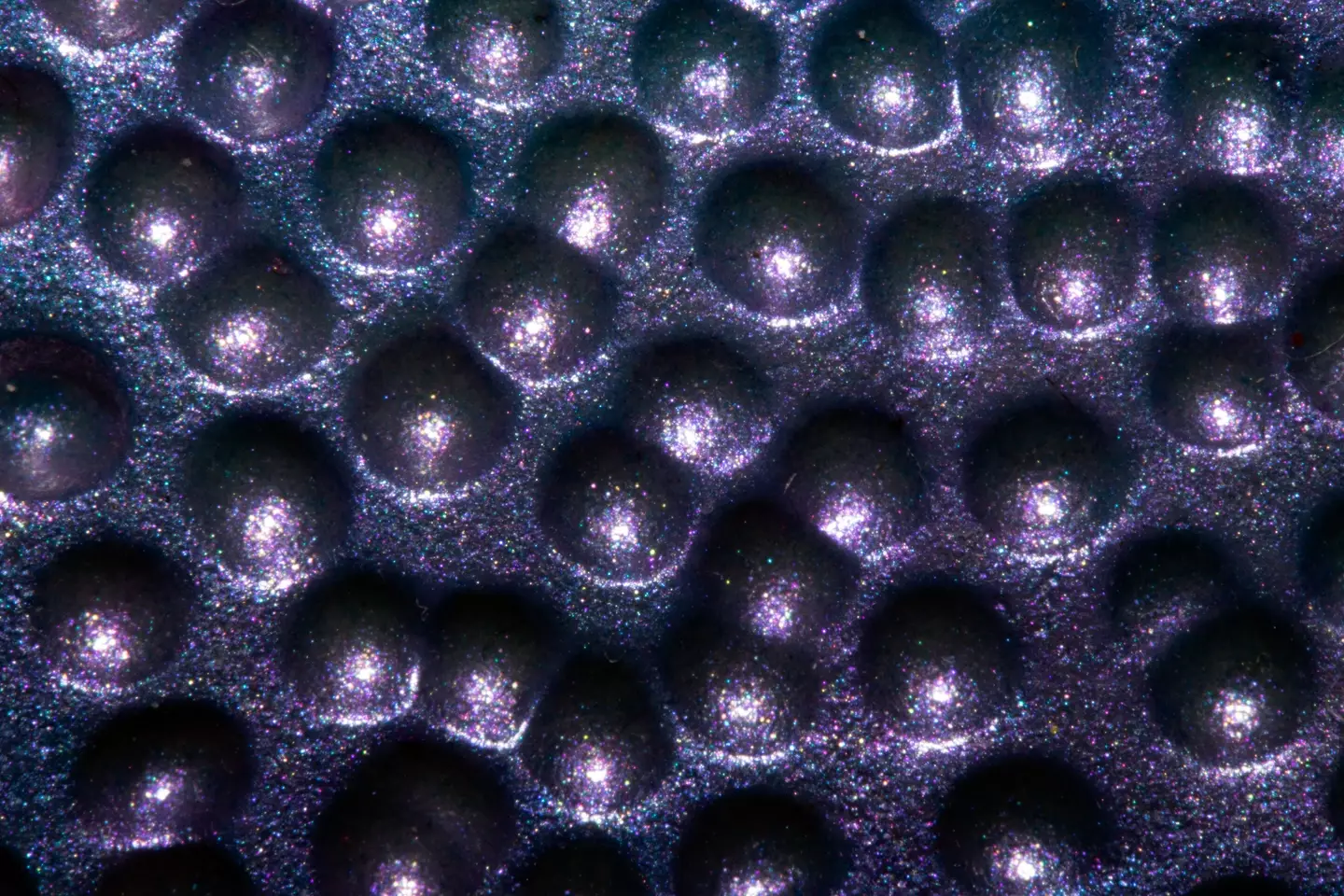
Does this picture make you feel uneasy? (Getty Images)
The phobia in question is called ‘trypophobia’ and is known as the fear of small holes – if looking at the honeycomb gives you the chills, you might suffer from this.
Boffins at the aforementioned university conducted a study in which 283 people between the ages of 19 and 22 were surveyed to determine the level of trypophobia, using a predetermined test.
Participants were shown pictures of a lotus seed pod and a honeycomb, two things said to trigger trypophobia.
They were then asked 17 questions from the standard Trypophobia Questionnaire, where they had to rate how strongly they felt different emotions and reactions on a scale of one to five.
Some of these include “feeling sick or nauseated”, “feeling like skin crawling” or “feeling like panicking or screaming”, among others – even though the participant’s results are feeling phobic because they had read about her earlier supports the idea. that it is a socially learned fear.
If you think you have, scroll down to take the test.
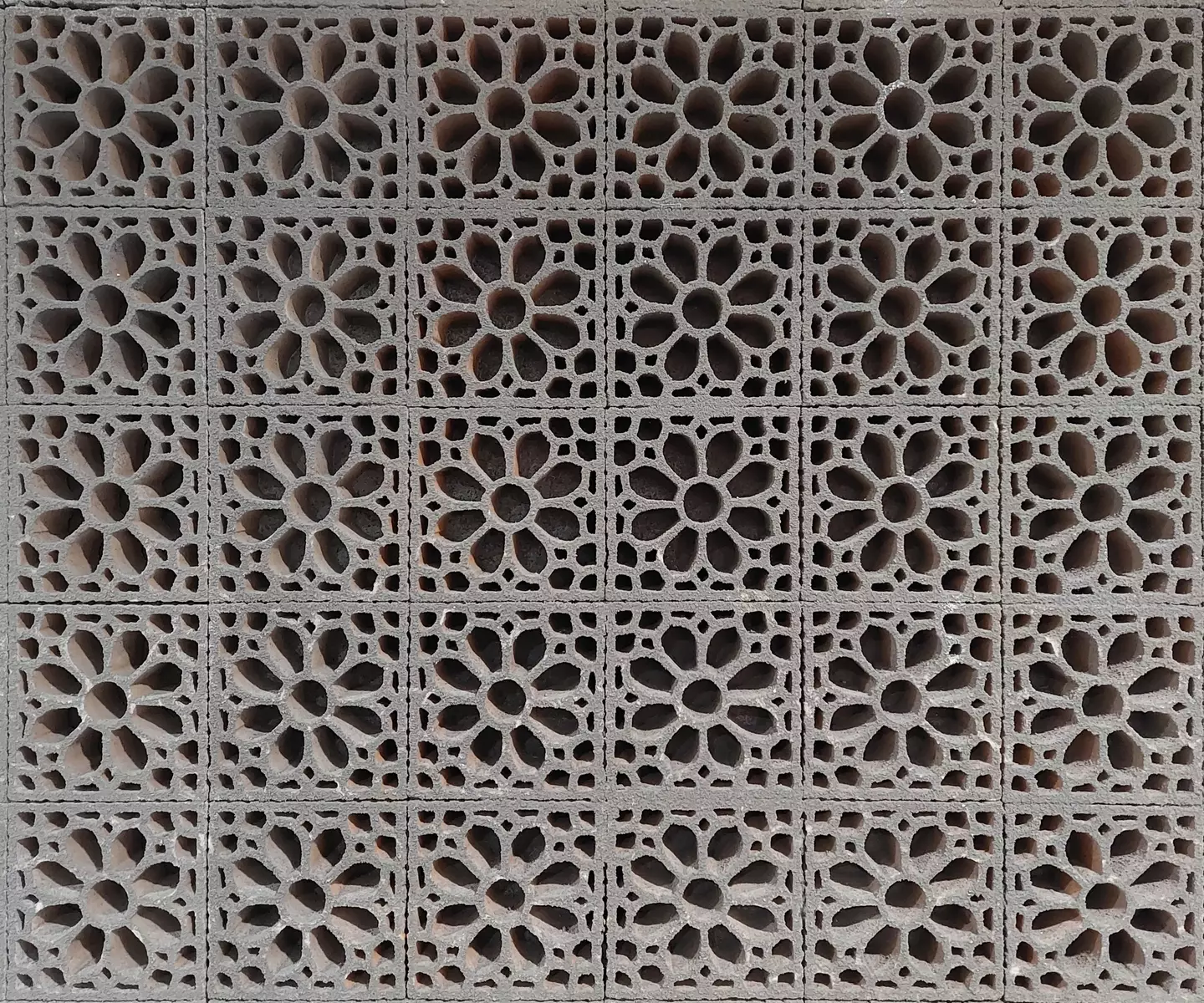
Designs like this can make some people uneasy. (Getty Images)
The name itself was invented by the Internet instead of scientists, and it is still not a medically recognized condition, despite being spread through news articles and through the Internet.
Researchers found that aversion to pictures of holes was more common among women and young people who spend more time on social media.
In fact, 64 percent of the participants had heard about trypophobia through the Internet.
The main researcher Dr. Attributing the majority to the internet, Geoff Cole shows that 24 percent of people who had the disease had not heard of it before, meaning a minority may be getting this fear from elsewhere.
There are three theories behind phobias:
Aposematism theory – this points to the similarity between burrow patterns and dangerous animals that have similar patterns on their bodies.
Pathological theory – this is compared to a skin disease that can cause defects in the skin that resemble a trypophobic pattern.
Visual stress theory – this suggests an evolutionary defense, as trypophobia serves no real purpose, and is caused by the brain being overwhelmed by stimuli.
The brain may struggle to handle these patterns well, causing distress.
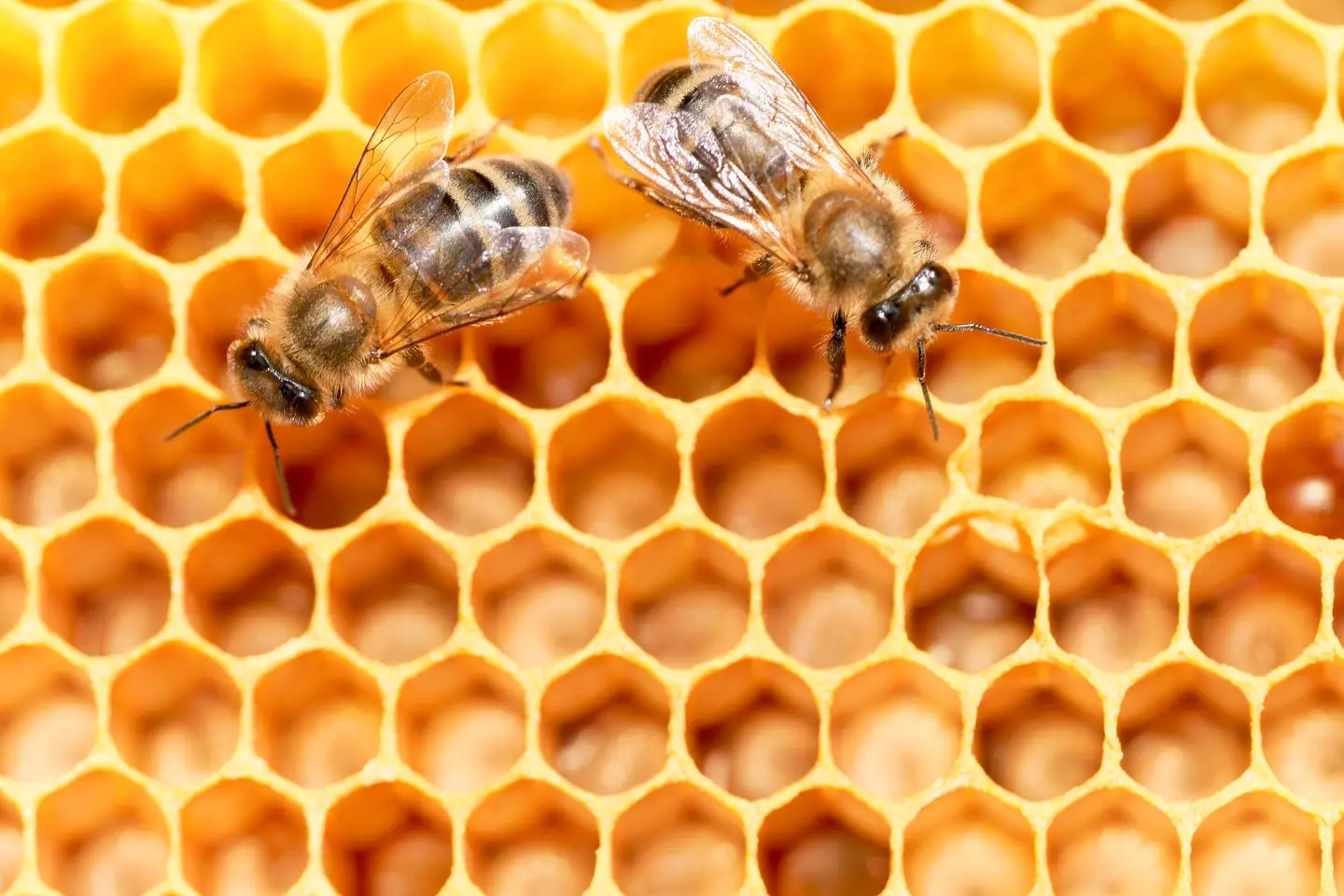
Figure 1 for the Trypophobia test. (Getty Images)
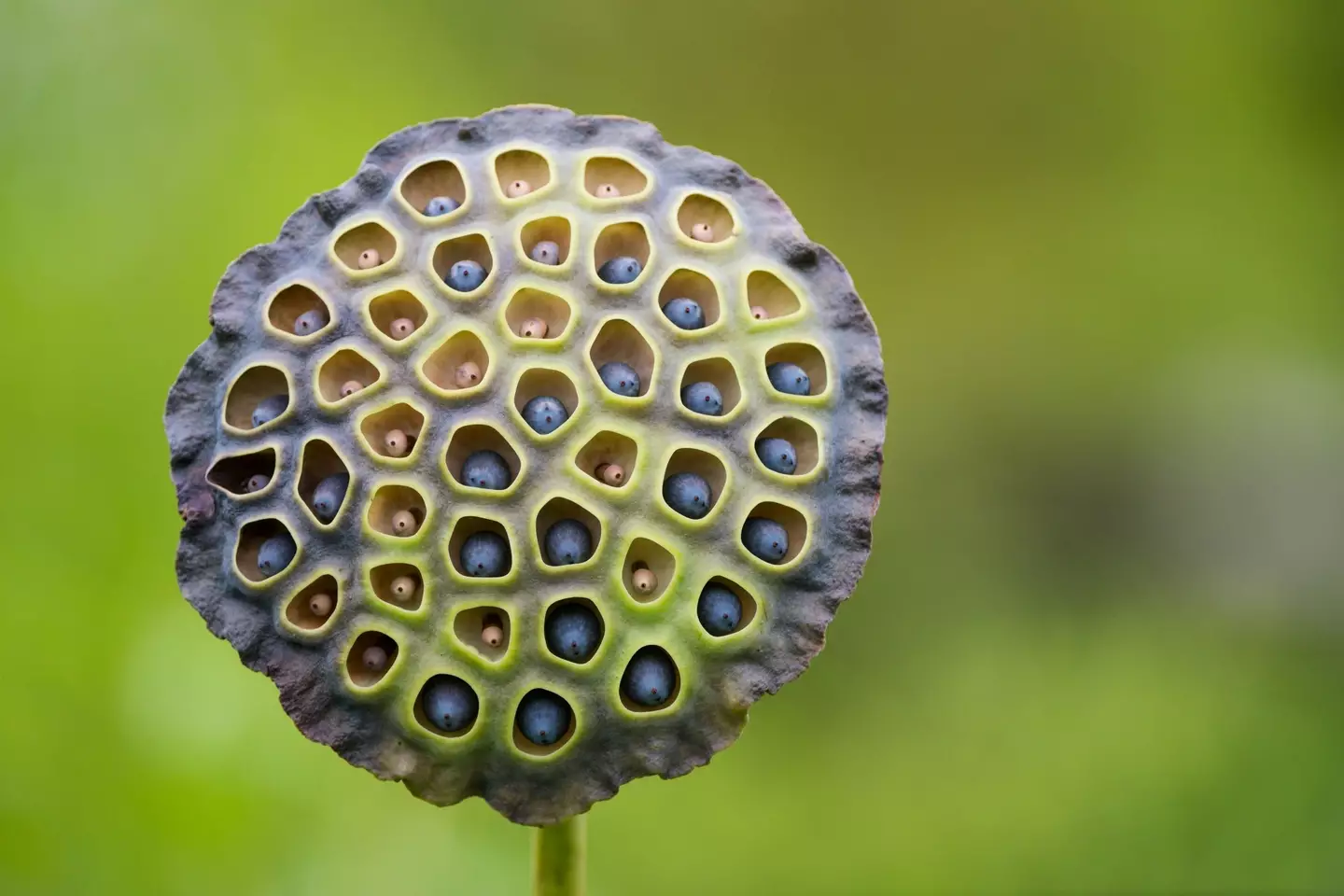
Figure 2 for the Trypophobia test. (Getty Images)
The trypophobia test
Look at the two pictures above of a honeycomb and a lotus seed pod and read through the list of statements below.
Rate the statements from one to five, with one being “not at all” and five being “extremely”, and total your score at the end.
Although not an official diagnosis, this test can help with research. A score of 31 or more is usually associated with trypophobia.
When I look at these pictures…
- Feeling irritated
- Feel disgust, disgust or repulsion
- Feel discomfort or discomfort
- Feel like panicking or screaming
- Do you feel anxious, full of fear or dread
- Feeling nauseous or nauseous
- nervousness (eg palpitations, butterflies in the stomach, sweating, etc.)
- Feels like going crazy
- Have a desire to erase the holes
- Feeling itchy
- Feel the skin crawl
- Got goosebumps
- Feels like crying
- Vomiting
- Get chills
- Have trouble breathing
- Trembling
#People #urged #17question #test #find #phobia #experienced #population